Cleaning Logs – What They Are & Why They Matter
What Are Cleaning Logs?
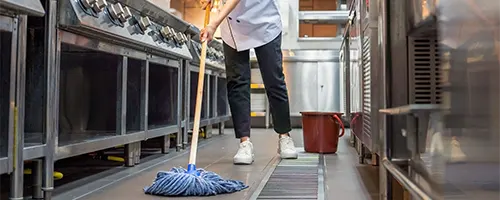
Cleaning logs are records used to document when, where, how, and by whom cleaning tasks were completed.
They help ensure that cleanliness and hygiene standards are consistently met.
Why Are They Important?
Prevent cross-contamination and infection
Ensure compliance with regulations (e.g., food safety, HSE, environmental health)
Provide proof to inspectors that cleaning routines are followed
Help maintain a clean, safe working environment
What They Usually Include
Area to be cleaned
Cleaning task (e.g., surfaces, equipment, floors)
Cleaning chemicals used
Frequency (hourly / daily / weekly / monthly)
Staff initials or signatures
Supervisor checks
Examples of Cleaning Log Tasks
Sanitising food-prep surfaces
Cleaning refrigerators and freezers
Descaling kettles and dishwashers
Toilet and washroom cleaning
Emptying bins
Deep-clean schedules
2. Temperature Logs – What They Are & Why They Matter
What Are Temperature Logs?
Temperature logs record temperatures of food, equipment, or storage areas to ensure they stay within safe limits.
Used widely in food businesses, healthcare, and any environment where safe storage is essential.
Prevent foodborne illness
Comply with food safety laws (e.g., HACCP principles)
Identify issues early (e.g., fridge failure)
Maintain consistent product quality
Typical Temperature Checks
Fridge temperature: ≤ 5°C
Freezer temperature: ≤ −18°C
Hot holding: ≥ 60°C
Cooking temperatures: e.g., chicken ≥ 75°C
Cooling times: 60°C → 21°C (2 hours), then 21°C → 5°C (4 hours)
What Temperature Logs Usually Include
Equipment (fridge, freezer, food probe, hot cabinet)
Time and date of check
Actual temperature recorded
Initials of the staff member
Any corrective actions taken
3. Health and Safety Compliance – What It Means
Definition
Health and safety compliance means following all the laws, policies, and procedures designed to keep employees, customers, and visitors safe.
It applies to every workplace, and failure to comply can result in fines, closures, or injury.
Key Parts of Health & Safety Compliance
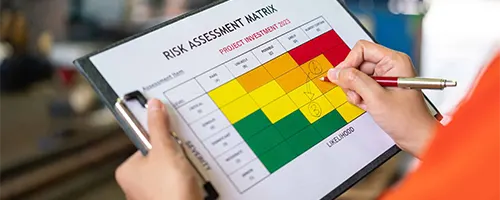
1. Risk Assessments
Identify hazards, decide who may be harmed, evaluate risks, and implement control measures.
2. Safe Systems of Work
Written procedures telling staff how to complete tasks safely (e.g., cleaning chemicals, lifting, using equipment).
3. Training & Competence
All staff must receive training on:
Manual handling
Fire safety
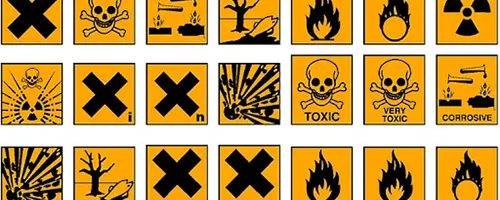
COSHH (chemicals)
Food safety (if relevant)
Equipment use
4. Equipment Safety
Regular maintenance, PAT testing, guarding, and calibration.
5. Cleaning & Hygiene Standards
Cleaning logs help ensure compliance with:
Food safety regulations
Infection control
Workplace hygiene standards
6. Temperature Controls
Temperature logs support compliance with:
HACCP
Food Standards Agency (FSA) requirements
Environmental Health Officer (EHO) inspections
Emergency Procedures
Fire plans, first-aid, spill responses, accident reporting.
Record Keeping
Accurate documentation is essential:
Cleaning logs
Temperature logs
COSHH assessments
Accident reports
Staff training records
Equipment maintenance logs
Cleaning Logs - Record cleaning tasks - Contamination, infection, pest issues
Temperature Logs - Record storage and cooking temperatures - Food poisoning, spoilage
Health & Safety Compliance - Ensure workplace meets legal safety standards Accidents, illness, legal breaches
They all work together to create a safe, legally compliant workplace.